
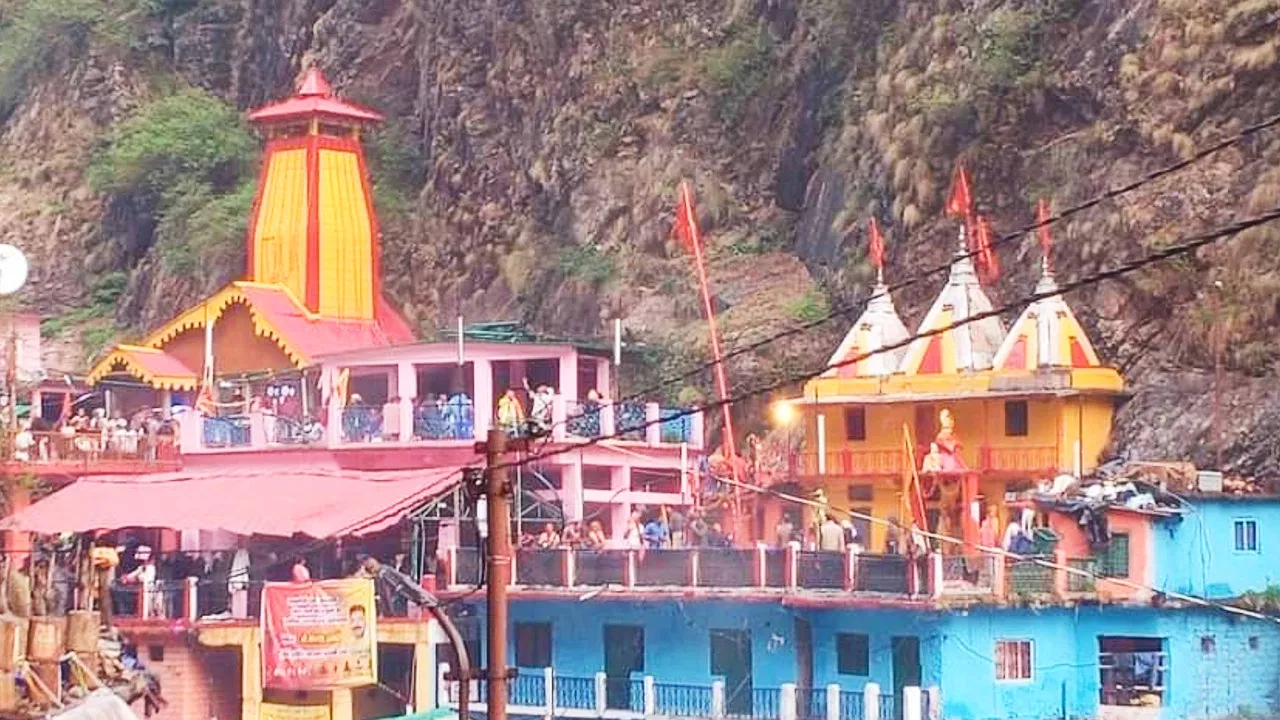
Mathura & Vrindavan Sunrise + Temples Tour , Have you ever witnessed the first golden rays of sunlight kissing ancient temple spires while devotional chants fill the air? There’s something absolutely magical about experiencing Mathura and Vrindavan at sunrise. This isn’t just another temple tour—it’s a journey that touches your heart and awakens your spirit.
Mathura & Vrindavan Sunrise + Temples Tour Mathura and Vrindavan, twin cities steeped in Krishna’s divine leelas (pastimes), offer an exclusive sunrise experience that goes beyond ordinary sightseeing. When you combine the mystical early morning hours with visits to sacred temples, you’re not just checking off destinations—you’re collecting moments that will stay with you forever.

Why Choose a Sunrise Tour in Mathura & Vrindavan?
The Spiritual Significance of Dawn
Mathura & Vrindavan Sunrise + Temples Tour , Dawn holds special significance in Hindu spirituality. The period known as “Brahma Muhurta” (approximately 90 minutes before sunrise) is considered the most auspicious time for meditation and worship. During these precious hours, the atmosphere is charged with spiritual energy, temple bells create divine symphonies, and the air feels fresher, purer.
Mathura & Vrindavan Sunrise + Temples Tour , When you start your journey at sunrise, you’re essentially syncing with the rhythm of devotion that has existed here for thousands of years. The priests perform their morning aartis, flowers are freshly offered, and the deities receive their first worship of the day—and you get to be part of this intimate spiritual ritual.
5 Unforgettable Moments You’ll Experience
What makes a sunrise tour truly exclusive? Here are five moments that will leave you speechless:
- The Golden Hour Photography: Capture stunning images bathed in soft, warm light that professional photographers dream about
- Peaceful Darshan: Witness the deities being awakened with fewer crowds, allowing for genuine connection
- Morning Aarti Ceremonies: Experience the most powerful aartis when temples come alive with devotion
- Serene Ghats: Walk along the Yamuna riverbanks as the mist slowly lifts, revealing the sacred waters
- Local Interactions: Meet devoted priests and pilgrims starting their spiritual practices, sharing authentic moments
Mathura: The Birthplace of Lord Krishna
Exploring the Krishna Janmabhoomi Temple
Mathura & Vrindavan Sunrise + Temples Tour , Mathura holds the distinction of being Krishna’s birthplace, and the Krishna Janmabhoomi Temple complex marks the exact spot where the divine child was born over 5,000 years ago. Visiting at sunrise means you’ll experience the temple’s morning rituals—the deity being bathed, adorned with fresh flowers, and offered the first meal of the day.
Mathura & Vrindavan Sunrise + Temples Tour , The prison cell where Krishna was born has been preserved within the temple complex. Standing there in the early morning quiet, you can almost feel the divine presence that transformed this ordinary cell into one of Hinduism’s holiest sites. The architecture blends ancient structures with more recent additions, creating a fascinating timeline of devotion spanning centuries.
The Charm of Vishram Ghat at Sunrise
Mathura & Vrindavan Sunrise + Temples Tour , Vishram Ghat is where Krishna is believed to have rested after defeating the tyrant Kansa. At sunrise, this ghat transforms into a living painting. Priests perform elaborate aarti ceremonies with oil lamps that reflect off the Yamuna’s waters, creating mesmerizing patterns. Pilgrims take holy dips, believing the water washes away their sins.
The steps leading down to the river become natural seating for those who simply want to sit, meditate, and absorb the spiritual atmosphere. Street vendors offer fresh flowers, incense, and traditional sweets. The combination of devotional singing, temple bells, and the gentle lapping of river water creates a soundtrack you’ll never forget.
Vrindavan: Where Every Stone Tells a Story
Banke Bihari Temple: A Divine Encounter
Just a short distance from Mathura lies Vrindavan, the land where Krishna spent his childhood performing miracles and enchanting everyone with his flute. The Banke Bihari Temple is Vrindavan’s heart, housing a deity so captivating that curtains are drawn and opened repeatedly during darshan to prevent devotees from being overwhelmed by Krishna’s beauty.
Arriving at sunrise gives you a precious advantage—shorter queues and a more intimate darshan experience. The deity appears in different moods throughout the day, but the morning darshan has a special sweetness. The priests sing traditional bhajans that have been passed down through generations, and the atmosphere feels charged with pure devotion.
ISKCON Temple: Modern Devotion Meets Ancient Faith
The International Society for Krishna Consciousness (ISKCON) temple in Vrindavan represents a beautiful fusion of traditional worship and contemporary architecture. The temple complex is immaculate, with gardens that look especially beautiful in morning light.
What makes the sunrise visit special here? The morning program includes energetic kirtan (devotional singing), philosophical discourse, and free prasadam (sanctified food). The temple’s cleanliness and organization make it accessible to visitors from all backgrounds, and the enthusiasm of the devotees is genuinely infectious.
Prem Mandir: 10 Breathtaking Features You Can’t Miss
Prem Mandir, meaning “Temple of Divine Love,” is relatively new but has quickly become one of Vrindavan’s must-visit sites. Here are ten features that make it absolutely stunning:
- Pure White Marble Construction: The entire temple is carved from pristine white marble
- Intricate Carvings: Every inch depicts scenes from Krishna’s life with incredible detail
- Musical Fountains: Evening shows are famous, but morning lighting is spectacular
- Illuminated Architecture: Even at sunrise, subtle lighting highlights the craftsmanship
- Spacious Gardens: Perfectly manicured lawns ideal for meditation
- Krishna’s Pastimes: Life-size marble depictions bring ancient stories to life
- Radha Krishna Deities: The main sanctum houses beautiful deities of the divine couple
- Accessible Design: Ramps and facilities make it welcoming for everyone
- Photography Paradise: Every angle offers Instagram-worthy shots
- Spiritual Atmosphere: Despite being new, it radiates genuine devotion
What Makes This Tour Exclusive?
Personalized Itinerary Designed for You
An exclusive sunrise tour isn’t about rushing from one temple to another. It’s about crafting an experience that matches your spiritual interests and physical comfort. Whether you want to spend extra time in meditation, capture specific photographs, or learn about temple architecture, a personalized itinerary makes it possible.
Your guide becomes more than just an information provider—they’re your cultural bridge, explaining the subtle nuances of rituals, sharing local legends, and even helping you participate in ceremonies if you wish. This customization transforms tourism into a genuine pilgrimage experience.
Skip the Crowds: Early Access Benefits
Here’s a reality check: Mathura and Vrindavan attract millions of pilgrims annually. By afternoon, popular temples can be overwhelmingly crowded. Starting at sunrise means you experience these sacred spaces as they’re meant to be experienced—peacefully, reverently, and with space to breathe.
Early access also means better interaction with temple priests who have more time to share insights, blessings, and stories. You’ll witness preparations that later visitors never see—flowers being arranged, oil lamps being prepared, and sanctums being cleaned and decorated.
Practical Tips for Your Mathura & Vrindavan Sunrise Experience
Best Time to Visit
While Mathura and Vrindavan welcome visitors year-round, certain periods offer exceptional experiences. October through March provides pleasant weather perfect for early morning exploration. The festival of Janmashtami (Krishna’s birthday, usually in August or September) creates an electrifying atmosphere, though crowds multiply exponentially.
Avoid the scorching summer months (April-June) unless you’re specifically comfortable with heat. Monsoon season (July-September) brings greenery but also humidity and occasional heavy rains that might disrupt early morning plans.
What to Wear and Carry
Modest clothing is essential when visiting temples. Here’s what works best:
For Women: Long skirts or pants with tops covering shoulders; carry a dupatta or scarf for head covering where required
For Men: Full-length trousers and shirts covering shoulders; shorts are generally inappropriate
Everyone Should Carry:
- Comfortable walking shoes (you’ll remove them at temples, so slip-ons work well)
- Water bottle (stay hydrated, especially during warmer months)
- Small bag for shoes (many temples require you to carry your footwear)
- Camera (but check photography rules at each temple)
- Sunscreen and sunglasses (sunrise tours extend into brighter morning hours)
- Small denominations of cash (for offerings, prasadam, and donations)
Conclusion: Your Journey to Divine Awakening
An exclusive Mathura and Vrindavan sunrise temple tour isn’t measured in hours or temples visited—it’s measured in moments that touch your soul. Whether you’re deeply religious, spiritually curious, or simply someone who appreciates cultural richness, this experience offers something profound.
The combination of sacred sites, early morning serenity, and the timeless stories of Krishna creates an atmosphere where even the most skeptical visitors find themselves moved. You’re not just observing traditions; you’re stepping into a living heritage that has inspired humanity for millennia.
As the sun rises over these ancient cities, illuminating temple spires and reflecting off the Yamuna’s waters, you’ll understand why millions consider this land sacred. The question isn’t whether you should take this journey—it’s when will you allow yourself this transformative experience?
FAQs
1. How early do I need to start for a sunrise tour of Mathura and Vrindavan?
Most exclusive sunrise tours begin between 4:30 AM and 5:00 AM, depending on the season. This timing allows you to witness the Brahma Muhurta period and catch the actual sunrise at key locations like Vishram Ghat. Your tour operator will provide exact pickup times based on your specific itinerary and the season of your visit.
2. Can non-Hindus participate in temple visits and rituals?
Absolutely! Most temples in Mathura and Vrindavan warmly welcome visitors from all faiths and backgrounds. The spiritual atmosphere is inclusive, though you should follow basic etiquette like modest dress and removing shoes. Some inner sanctums might have restrictions, but your guide will inform you beforehand. The experience is about cultural appreciation and spiritual exploration, which transcends religious boundaries.
3. Is the sunrise tour suitable for elderly visitors or those with mobility challenges?
Yes, but with careful planning. Many temples have steps and uneven surfaces, so inform your tour operator about any mobility concerns. They can customize the itinerary to include more accessible temples like ISKCON and Prem Mandir, arrange wheelchairs where possible, and adjust the pace. The sunrise timing actually helps, as cooler temperatures and fewer crowds make navigation easier than midday visits.
4. What’s the approximate duration of an exclusive Mathura and Vrindavan sunrise tour?
A comprehensive sunrise tour typically lasts 5-7 hours, starting before dawn and concluding by late morning or early afternoon. This timeframe allows for meaningful experiences at 4-6 major temples without rushing. Some operators offer extended packages that include breakfast at a traditional eatery and visits to additional sites based on your interests and energy levels.
5. Are photography and videography allowed inside the temples?
Photography policies vary significantly between temples. Banke Bihari Temple strictly prohibits photography inside the sanctum, while Prem Mandir and ISKCON are generally photography-friendly in most areas. Always ask permission before photographing priests or devotees, and never use flash near deities. Your guide will clarify rules at each location. Respectful photography that captures the spiritual atmosphere without disrupting worship is typically welcomed.




Comments are closed.